Carlos Nuñez: twenty-five years of growing coffee, and a first specialty lot
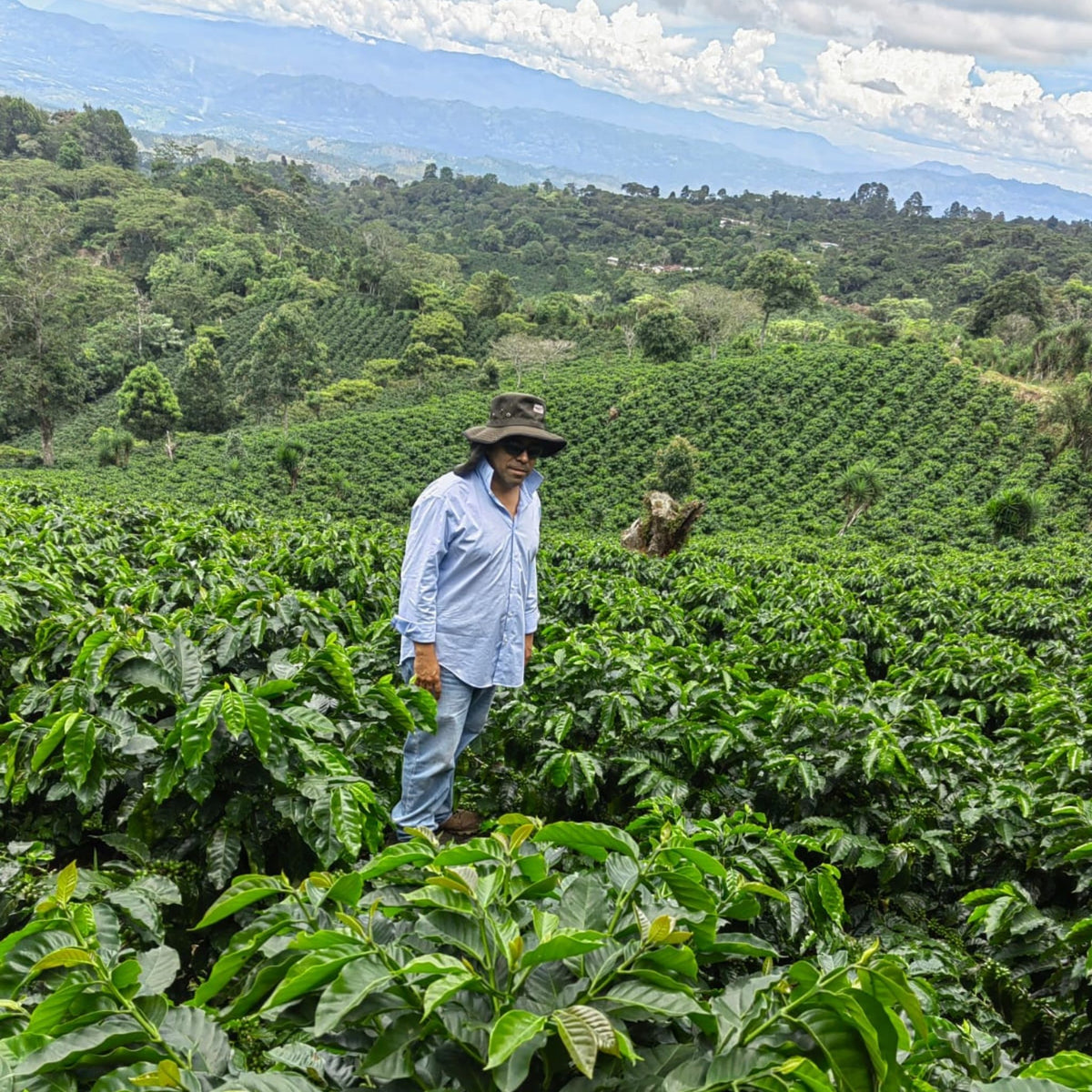
Carlos lives with his partner and their two children in Las Lajas, in the department of Comayagua. He started growing coffee in 2000, and he's honest about why: the household needed a steady income.
He's a second-generation grower. His parents taught him the work and the habits that go with it, and he's kept both.
What's different about this year
This is the first time Carlos has sold his coffee into the specialty market.
Twenty-five years of farming before that, all of it going out through the conventional channel. What he wants from the change is straightforward and worth stating in his terms rather than ours: better prices, new opportunities, and a better quality of life for his family. Longer term, he wants to replant with improved varieties and establish himself in specialty properly rather than passing through.
Climate change has made the work harder, and he says so. What he's proud of is that he can support his family, and he's still adding to what he knows.
He also had something to say to whoever ends up drinking it:
"Thank you for giving us this opportunity. Your support means everything to us, and we hope you can visit our homes and farms one day to see the heart and effort behind every cup."
The Montecillos, and why the sales channel matters
Bella Vista sits at 1,400 metres in the Montecillos mountain range, which runs across the La Paz and Comayagua departments. The smallholders farming these hamlets have had coffee as their main income for years, in many cases for generations.
Their options for selling it have been poor. Either an intermediary drives a dump truck into the community and buys cherry on the spot, or the grower spends a day packing cherry down to the city by mule and hopes somebody there offers a fair price.
Growers in the area say plainly that the prices the conventional model pays are not enough to turn a profit. At best, coffee farming covers the pickers and the input costs. Often it doesn't manage that.
There's a knock-on effect that hurts everyone. If nobody is paying for quality, nobody has a reason to grow it, or even to pick ripe. The buyer gets sub-par coffee and sells it cheap, and the cycle keeps itself going.
Worth knowing for context: local agronomists reckon coffee leaf rust destroyed close to a quarter of Honduras's entire production in 2019. These are farms with very little margin for a year like that.
How this coffee is bought
Semilla, who sourced this lot, work across whole communities in these hamlets rather than cherry-picking the best few farms.
Pricing is agreed in open conversation with the growers rather than handed down, and it's set at one fixed level across the community. The reasoning is good: the effort, risk and commitment involved in processing a microlot are the same whether it cups an 86 or an 88, so paying two different prices for the same work doesn't hold up.
They also cut out the intermediaries entirely, and run a micro-financing programme that sends money straight to growers' own bank accounts to use as they see fit.
How the coffee is made
Cherries are picked at peak ripeness.
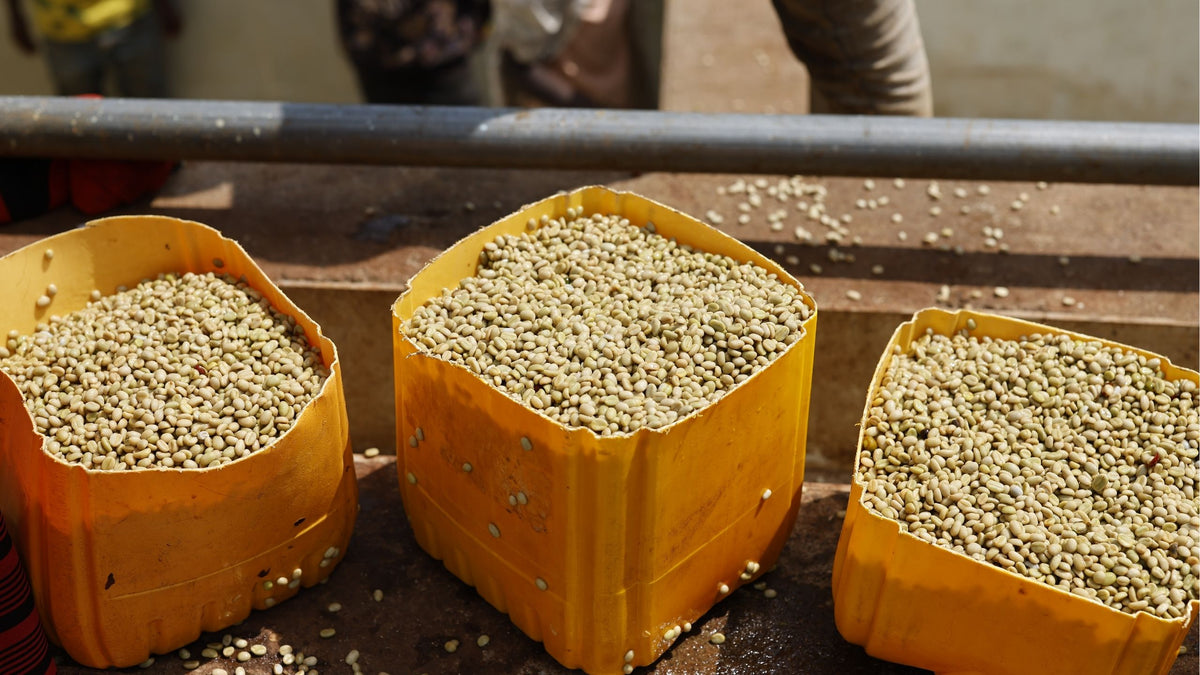
Then they go into sealed plastic bags for a dry fermentation lasting 65 hours. That's nearly three full days with the fruit still on, fermenting in a sealed environment, before any drying starts.
After that the cherries are spread on covered raised African beds and dried for 25 to 30 days. Once they're dry they go into sealed bags and stay there until milling.
Between the fermentation and the drying, this coffee spends over a month in process. On a five-hectare farm, that's a lot of attention for one lot.