Rwenzori coffee: Uganda's best kept secret is getting harder to keep
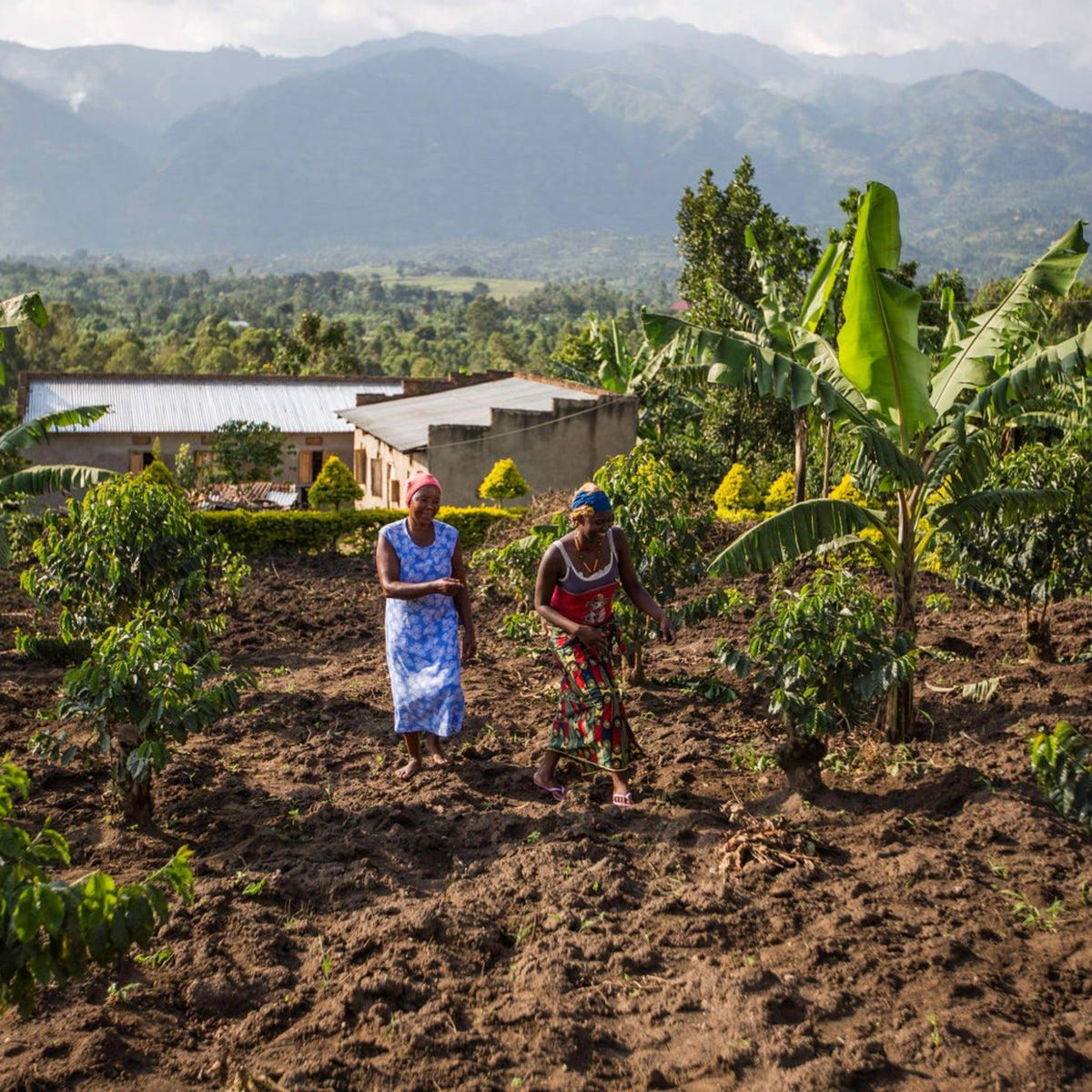
Ptolemy wrote about a mountain range in the middle of Africa that fed the Nile and called them the Mountains of the Moon. For centuries Europeans assumed he had made them up. He had not. The Rwenzori Mountains are real, they run along Uganda's border with the Democratic Republic of Congo, they are permanently snow capped despite sitting almost exactly on the equator, and there is excellent coffee growing on their lower slopes.
Why you probably have not tried Ugandan arabica
Uganda is one of Africa's biggest coffee exporters, but most of what it sends out is robusta, the hardier, higher caffeine, more bitter cousin of arabica. Uganda is also one of the few places on earth where robusta grows wild.
The arabica that does exist has historically come from Bugisu, on the slopes of Mount Elgon in the east. Rwenzori, over in the west, was for a long time the region with obvious potential and inconsistent delivery. Great altitude, great soil, patchy processing.
That has changed fast. Investment in central washing stations, better training and a switch to drying on raised beds has turned Rwenzori into an origin that delivers clean, repeatable lots scoring in the mid 80s. It is arguably the most improved coffee region in Africa over the last decade.
What makes the growing conditions so good
Farms sit between roughly 1,400 and 2,200 metres, which is serious altitude for arabica. The soils are volcanic and fertile. And the mountains generate their own weather: cool mist rolls through the plantations for large parts of the day, which slows ripening dramatically.
Slow ripening is the recurring theme in every great coffee region, and Rwenzori has it in abundance. Cherries take their time, sugars build, acids stay structured rather than sharp.
SL14 and SL28, borrowed from Kenya
The plantings here are dominated by SL14 and SL28, two selections developed by Scott Agricultural Laboratories in Kenya in the 1930s. SL28 is the famous one, responsible for a good chunk of what people love about Kenyan coffee: blackcurrant intensity, structured acidity, real complexity. It is also drought tolerant, which matters more every year.
Finding SL28 in Uganda at 2,000 metres is a genuinely exciting thing, and it is a big part of why Rwenzori cups the way it does.
Who grows it
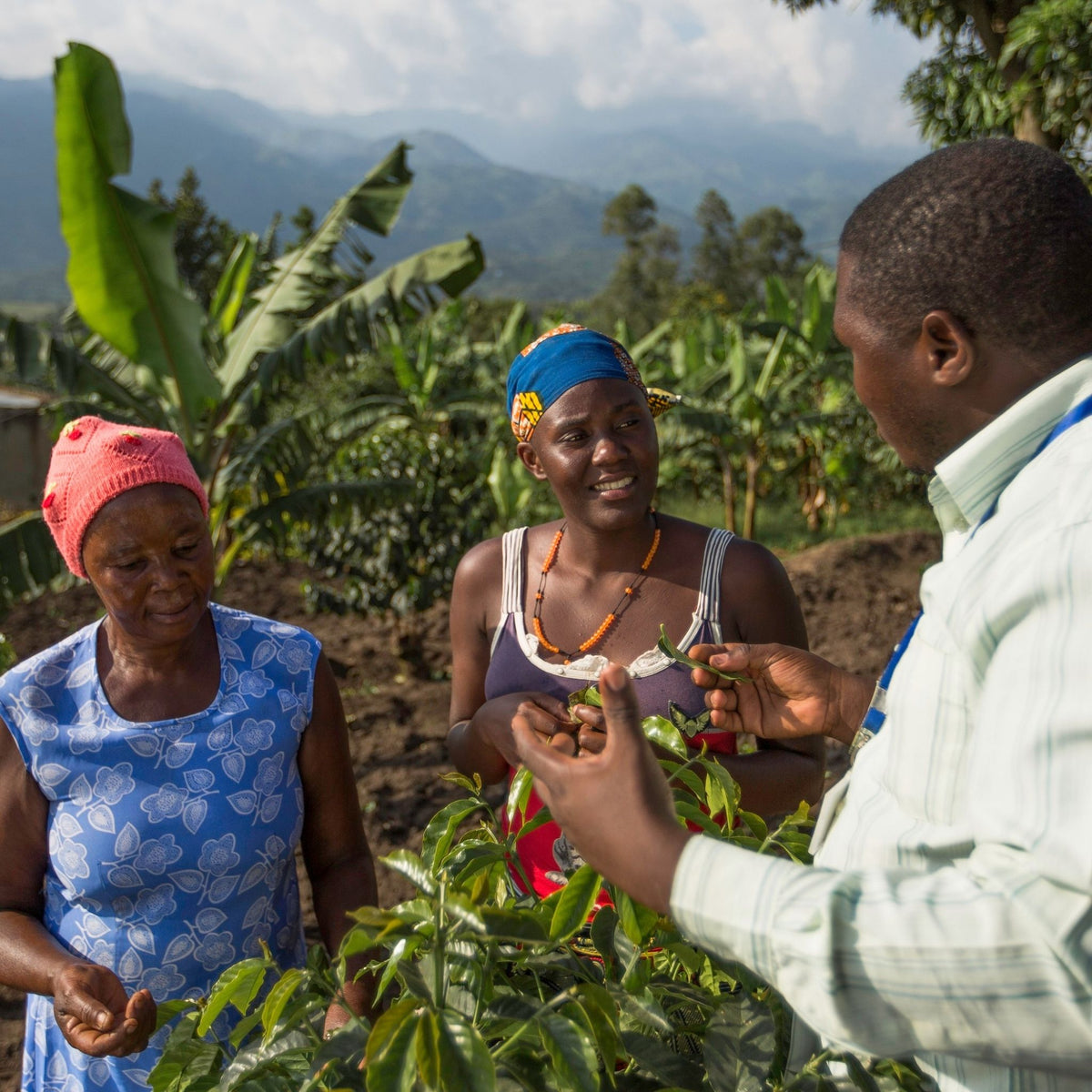
Smallholder cooperatives, mostly, many with high female membership. Farmers deliver cherry to shared washing stations, which is the same model that transformed Rwandan coffee and is now doing the same job here. The harvest runs August to December, later than most of East Africa, which conveniently means fresh Ugandan arabica lands in Europe when the previous season's coffees are starting to tire.
What it tastes like
Juicy is the word that keeps coming up. Naturals from Rwenzori tend toward raspberry, plum and clementine over brown sugar, with a medium body and a soft, rounded acidity that never turns aggressive. Washed lots are cleaner and more citric with a lighter body.
It is approachable coffee. If you find Ethiopian naturals a bit wild and Kenyan coffee a bit sharp, Rwenzori sits comfortably in between and is usually a good deal cheaper than either.